
From the Enlightenment to Business Models. Season III. Episode 11. The Enlightenment and Racial Differences/Slavery. Part A
Have a lovely weekend in October. This is a work-in-progress publication. It is the first section of our strategic reflections in relation to the origin of racism as a bigotry situation in the history of our humanity.
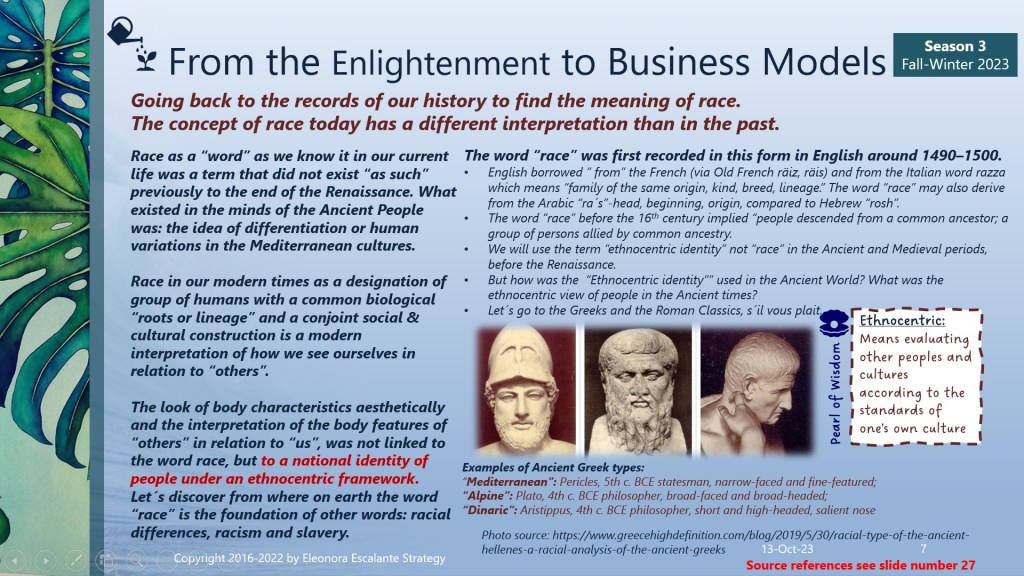
Last week, I had to change the whole storyline for this episode. So this is what I have prepared for you over the last 10 days. When we analyzed the complexity of the subject of race, racism, and its discriminating consequences as the enslavement, persecution, torture, and massacres that were practiced against several groups in Europe, not just the Native Indigenous and Africans between the 15th and the 19th centuries, we found that there was a missing rationale that could explain why those fateful racist events occurred. And we encountered that there should be a reason beyond the Enlightenment. We were instinctively pushed to not look at the roots of our problems of racism in the Enlightenment centuries.
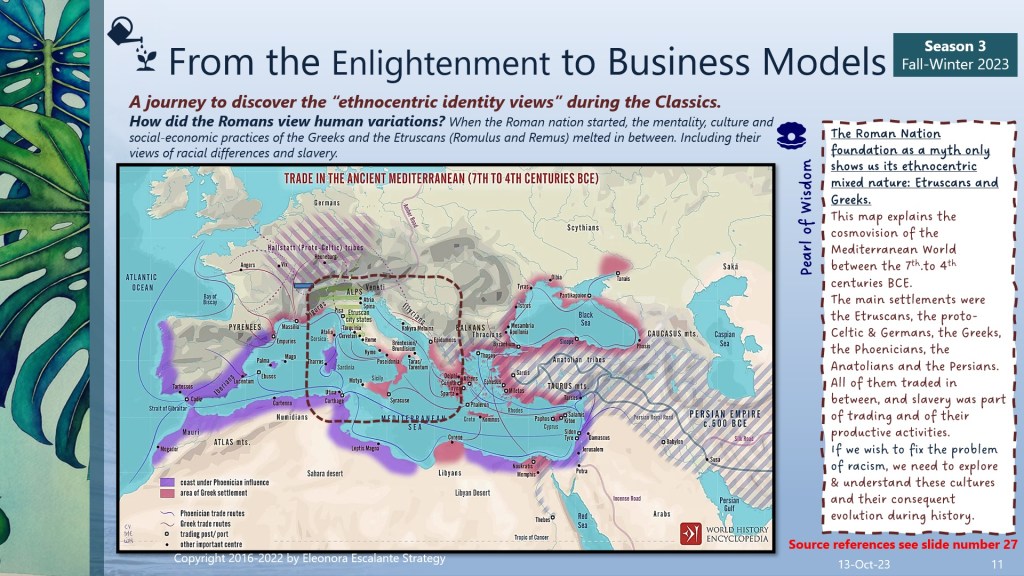
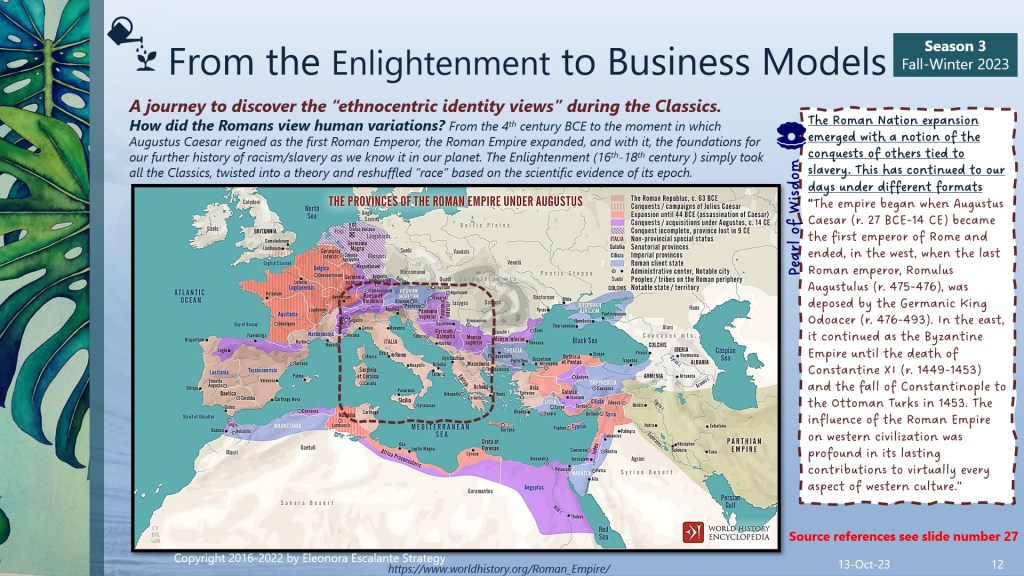
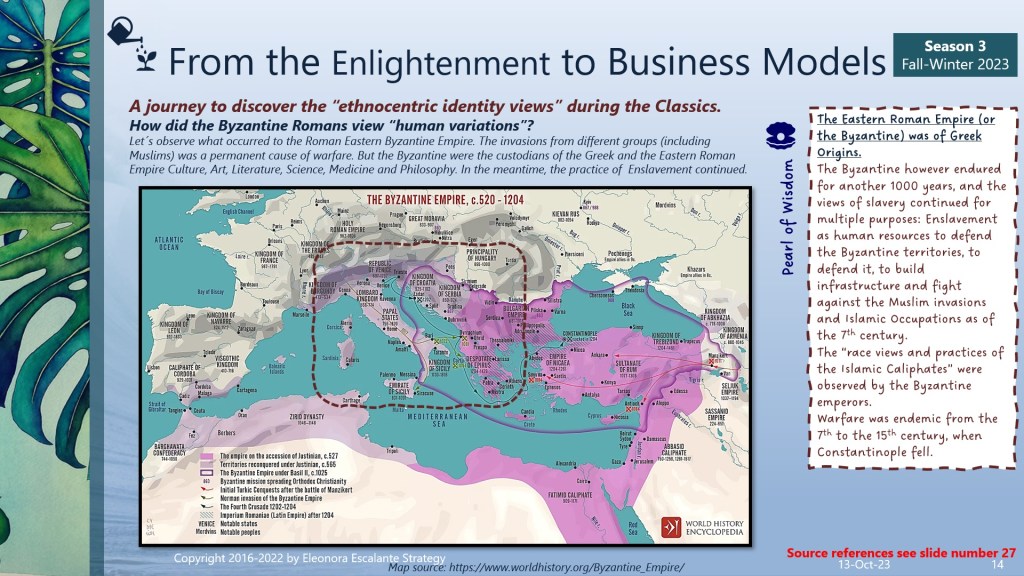
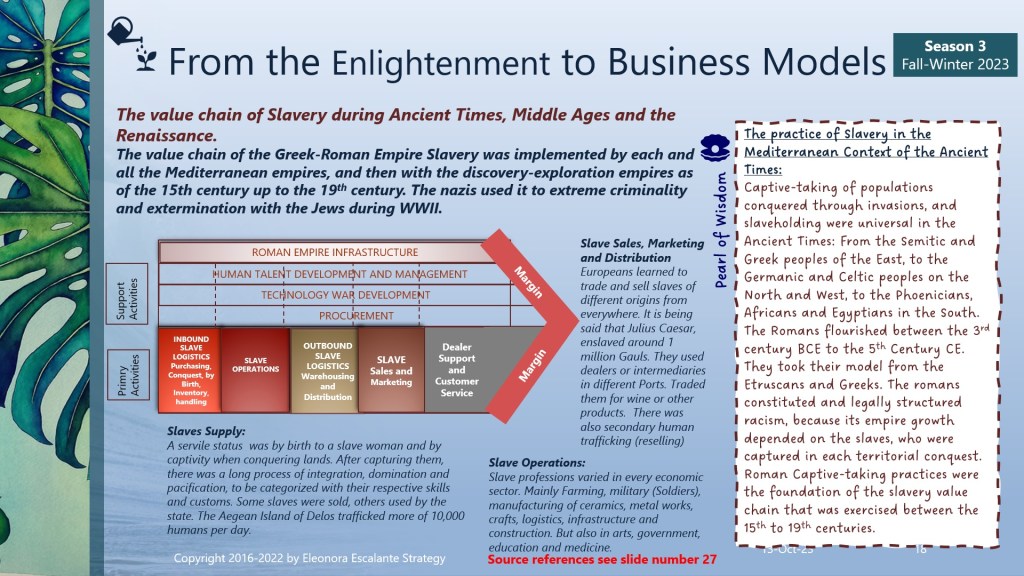
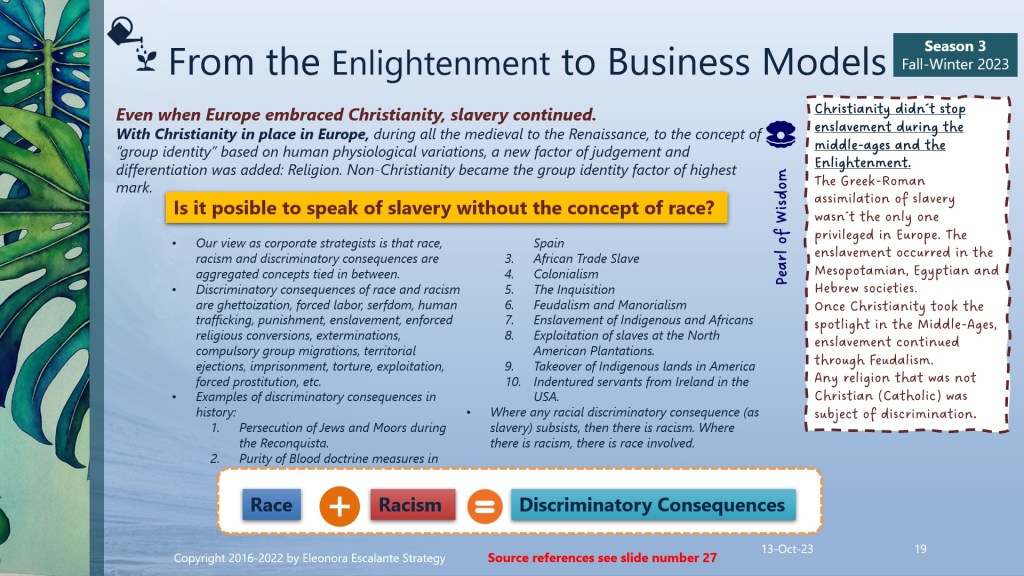
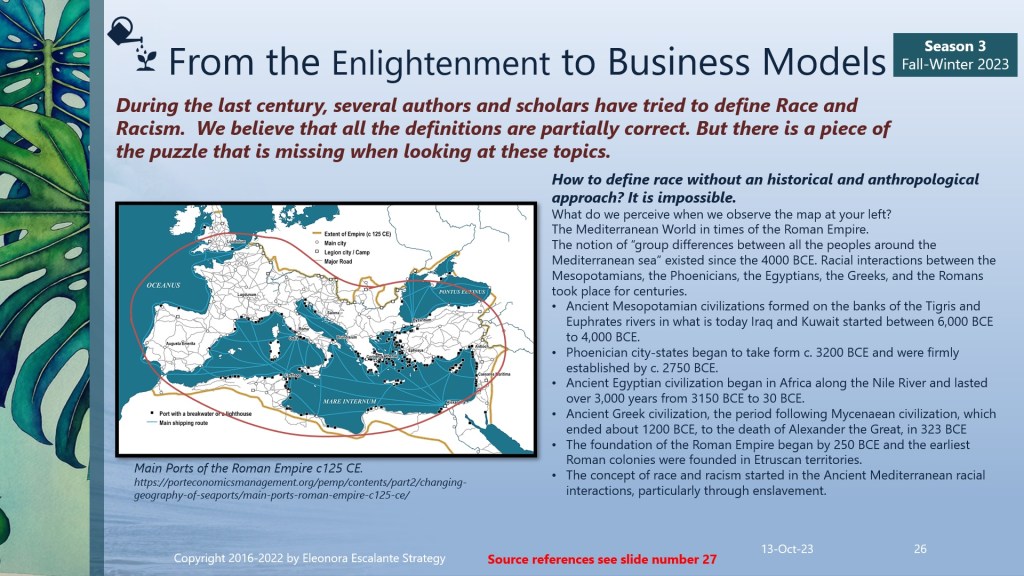
In our quest for answers, we asked more and more questions ourselves: Where and when did race and racism begin? From when and where on earth did humans start to practice one of the consequences of racism, enslavement? How could it be that for more than 200 years, the Atlantic slave trade system was operating without any type of remorse by all the empires of Europe? How could it be that the discovery-exploration and settlements in America, India, Asia, and Africa not just validated slavery, but implemented terrible measures because of racism? We asked ourselves, how could something so monstrous emerge through Christian (Catholics and protestants) empires? How could that materialize since the Portuguese exploration travels to Africa during the 15th century until the 19th century? We also asked ourselves, why did religious discrimination against Jews and Moors happen in Spain during the Reconquista centuries? Why are the barbarians called as such? In our journey, we were questioning ourselves, so many situations in which racism and discrimination have been the norm of the European conquests and warfare. With each question, our exploration took us a step back, more and more into the past, beyond the Renaissance, beyond the medieval ages, and that is how we landed in the Ancient Civilizations. Once we thought that the Greek-Roman contextual analysis was the correct explanation for our troubles with racism, we discovered a new value proposition of these issues. And we wish you to discover it too. We have prepared the following material with such extreme detail. We have used maps to provide sound evidence of our inferences. We expect to have solved the quest for the origin of our current racism problems. Or at least, we envision this is the way to go.
We invite you to download, print, and read each of the slides during the weekend. Our strategic reflections are included in the following material.









Announcement.
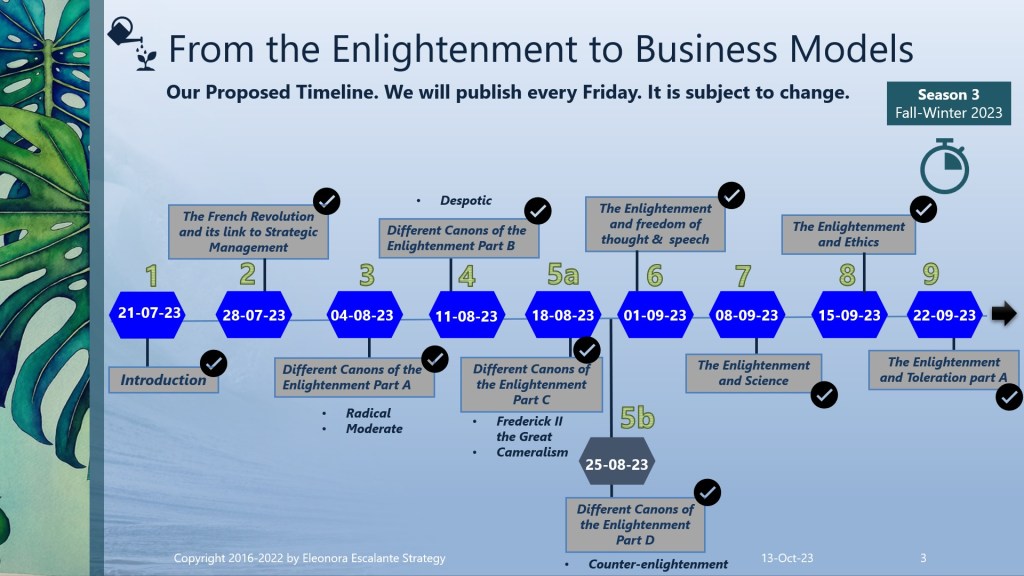
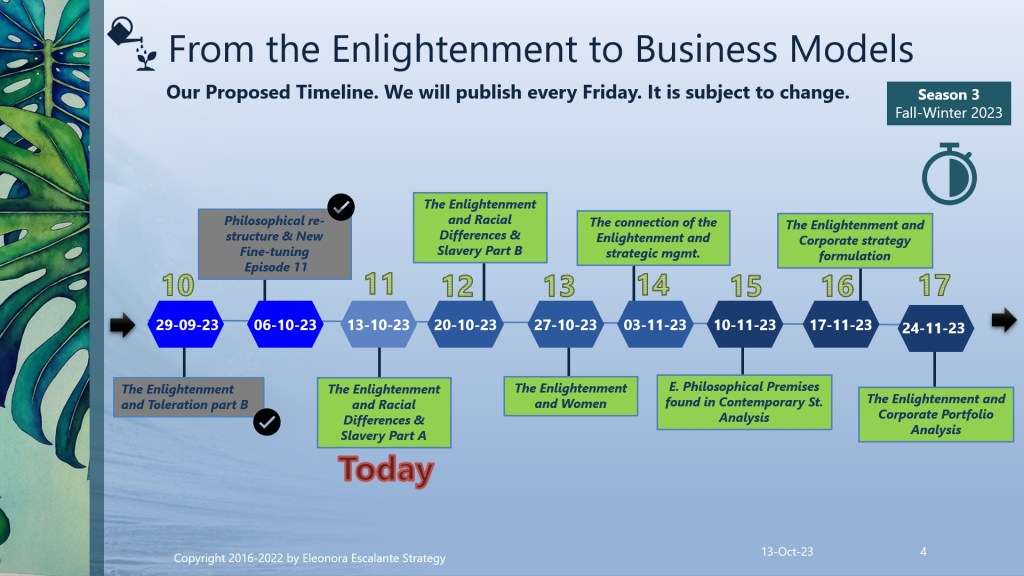
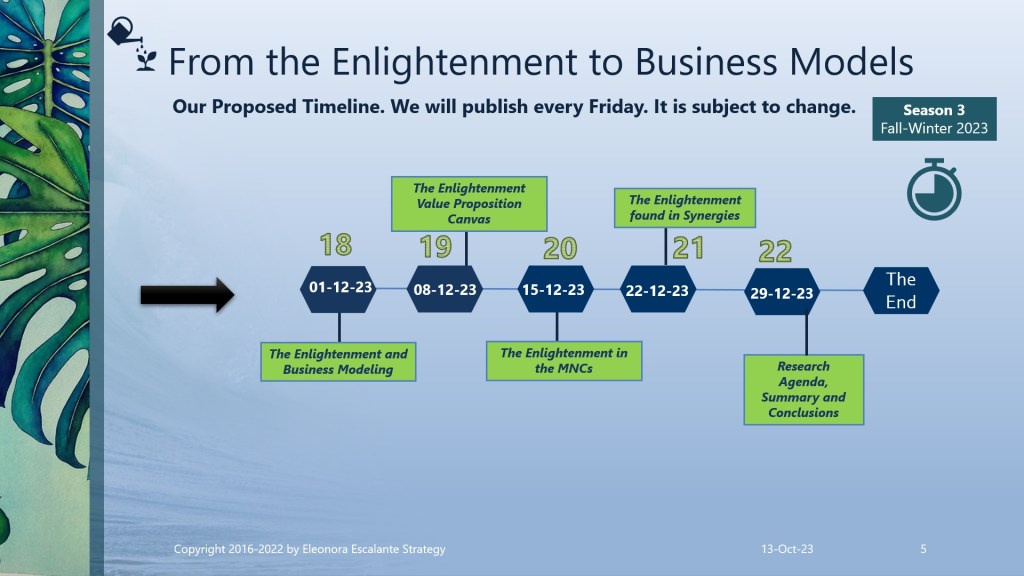
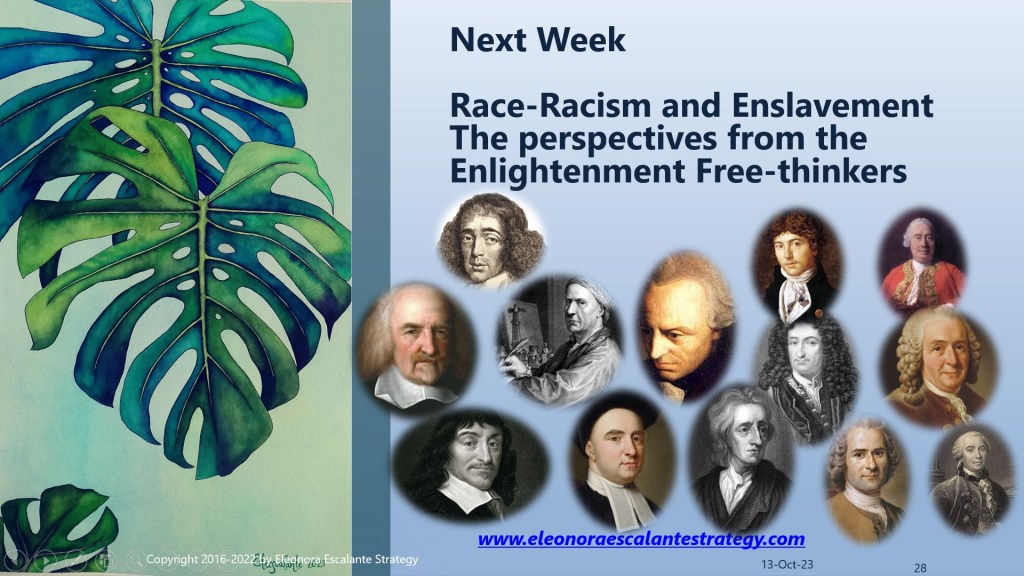
Our next publication will be next Friday 20th of October. We will continue our journey with the topic: “The Enlightenment and Racial Differences/Slavery Part B”. Remember that when we stay more than one episode on a specific topic is for your benefit. The theme of racial differences and slavery is of extreme relevance because our planet requires remedying it. And if we don´t go to the original roots of the problem, there is no way we will be able to fix it. Blessings and thank you for reading our episodes.
Musical Section
We have decided to continue sharing classical flute magical music from the Baroque. As of the month of November, we will share more wind instrument concerts as oboes, clarinets, and saxophones.
Today our musical video is from the YouTube channel Brilliant Classics. Its composer was Luigi Boccherini. Interpreted by Rafael Ruibérriz de Torres (flute) and Francisco de Goya String Quartet.
Thank you for reading http://www.eleonoraescalantestrategy.com. See you next week.

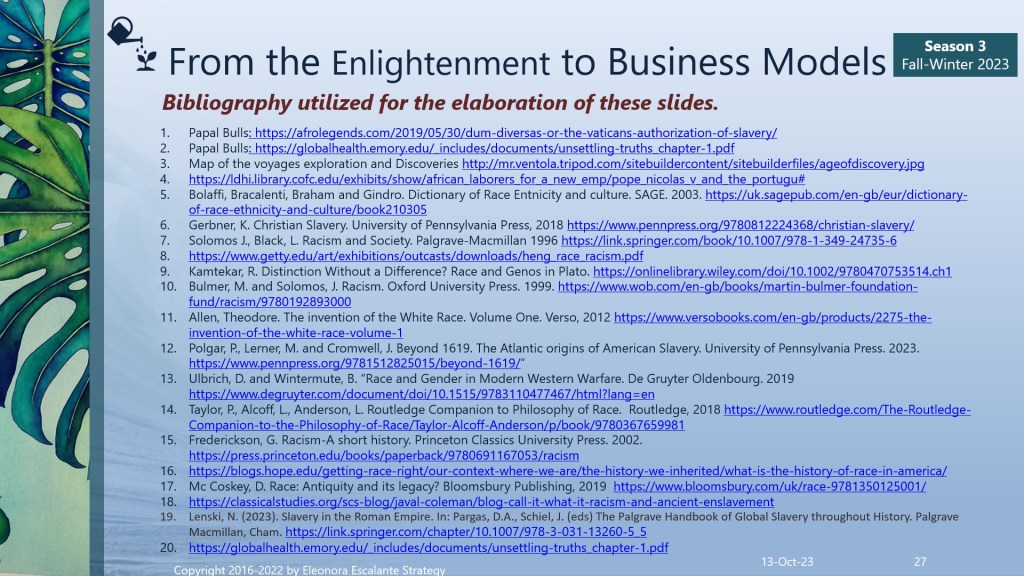
Sources of reference that were utilized today. All are listed in slide 27.
Disclaimer: Eleonora Escalante paints Illustrations in Watercolor. Other types of illustrations or videos (which are not mine) are used for educational purposes ONLY. All are used as Illustrative and non-commercial images. Utilized only informatively for the public good. Nevertheless, most of this blog’s pictures, images, or videos are not mine. I do not own any of the lovely photos or images posted unless otherwise stated.
 Eleonora Escalante Strategy - Strategic Reflections Think Tank