
Cacao and Coffee 101. Success Strategies for Small Farm Holders. Episode 1. Introduction
My dear, adorable readers:
Here we go again. We are thankful and filled with enormous pleasure for writing this new academic literary saga during the summer season of 2026. This is another warmest summer that our civilization is undergoing. During my lifespan, I do not remember having experienced so much heat during these months. Some people call it heatwaves, others call it the direct effects of climate change, while scientifically, the phenomenon of Super El Niño might be the cause in the tropics. Whatever the reason, geographically, it is the global tropical belt that has been clearly affected. Central America is part of this belt. All the nations that hold land suitable to plant coffee and cacao have been hit by the same global temperature shock.
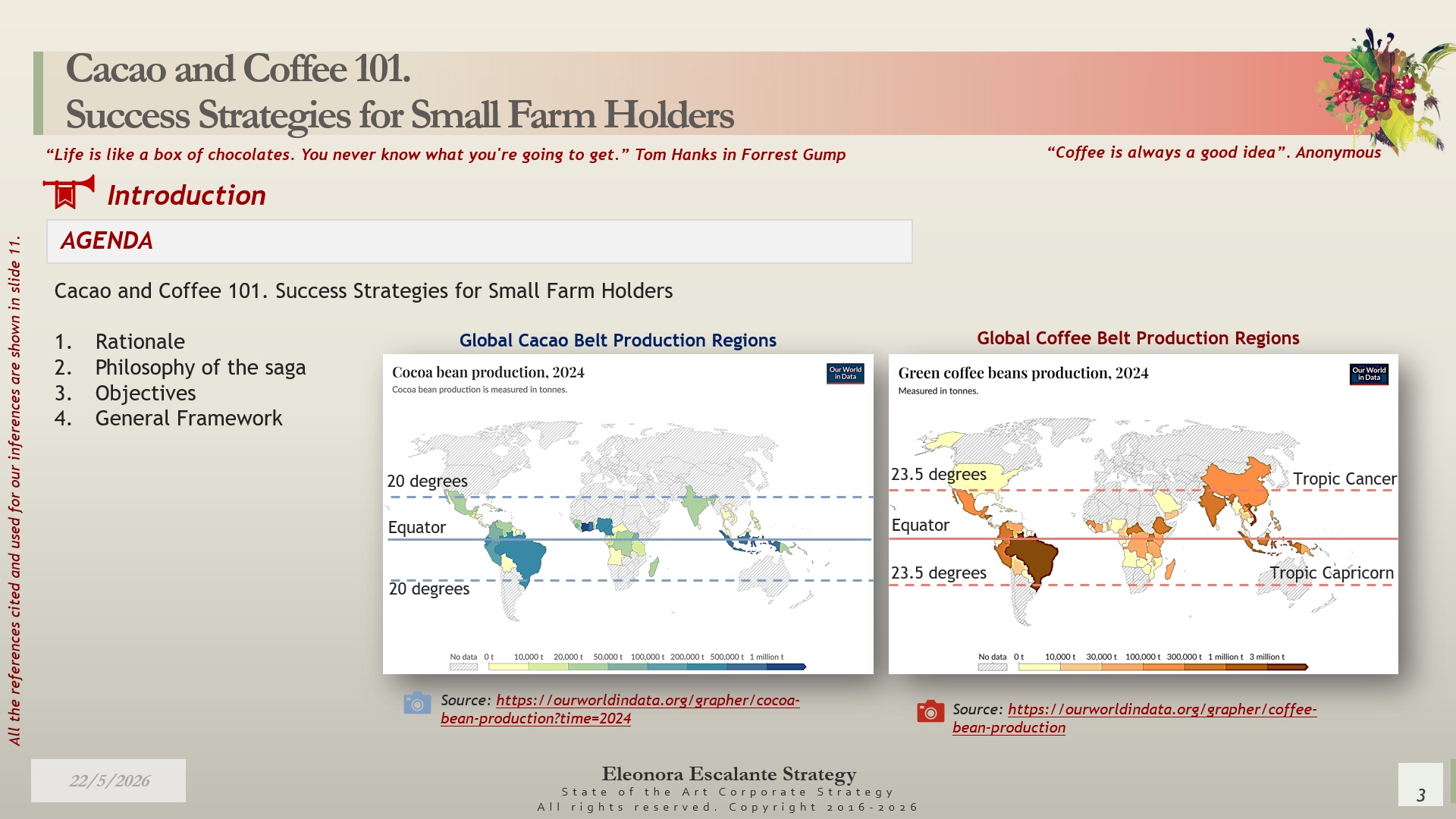
The Coffee Belt territories are defined as the equatorial nations situated in the geographic belt between the Tropic of Cancer (23.5° North) and the Tropic of Capricorn (23.5° South). The Cacao Belt territories are defined as a bit-narrow equatorial zone that lies between 20° North and 20° South of the Equator. The coffee belt embraces the cacao belt within. Look at the two images below.
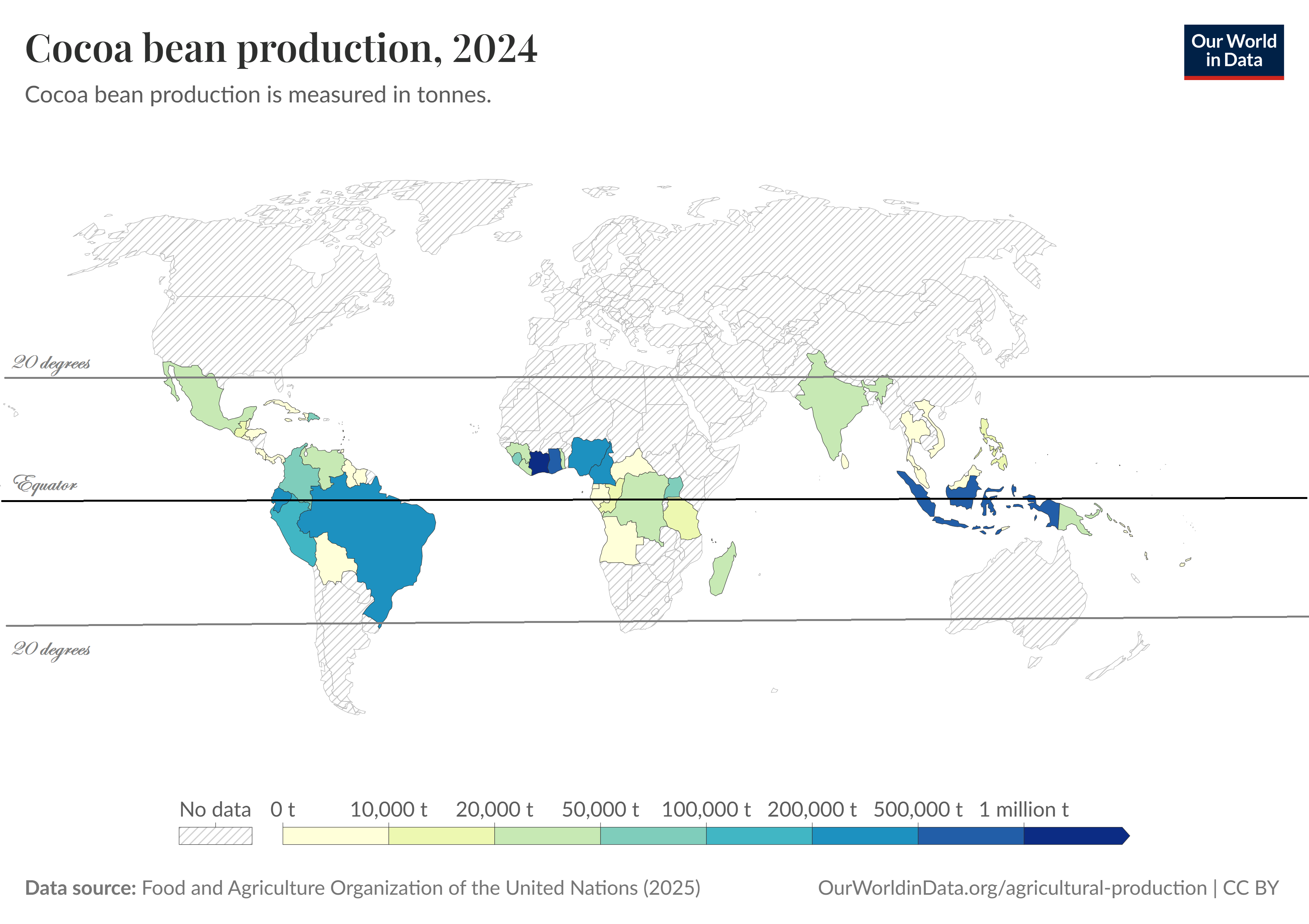
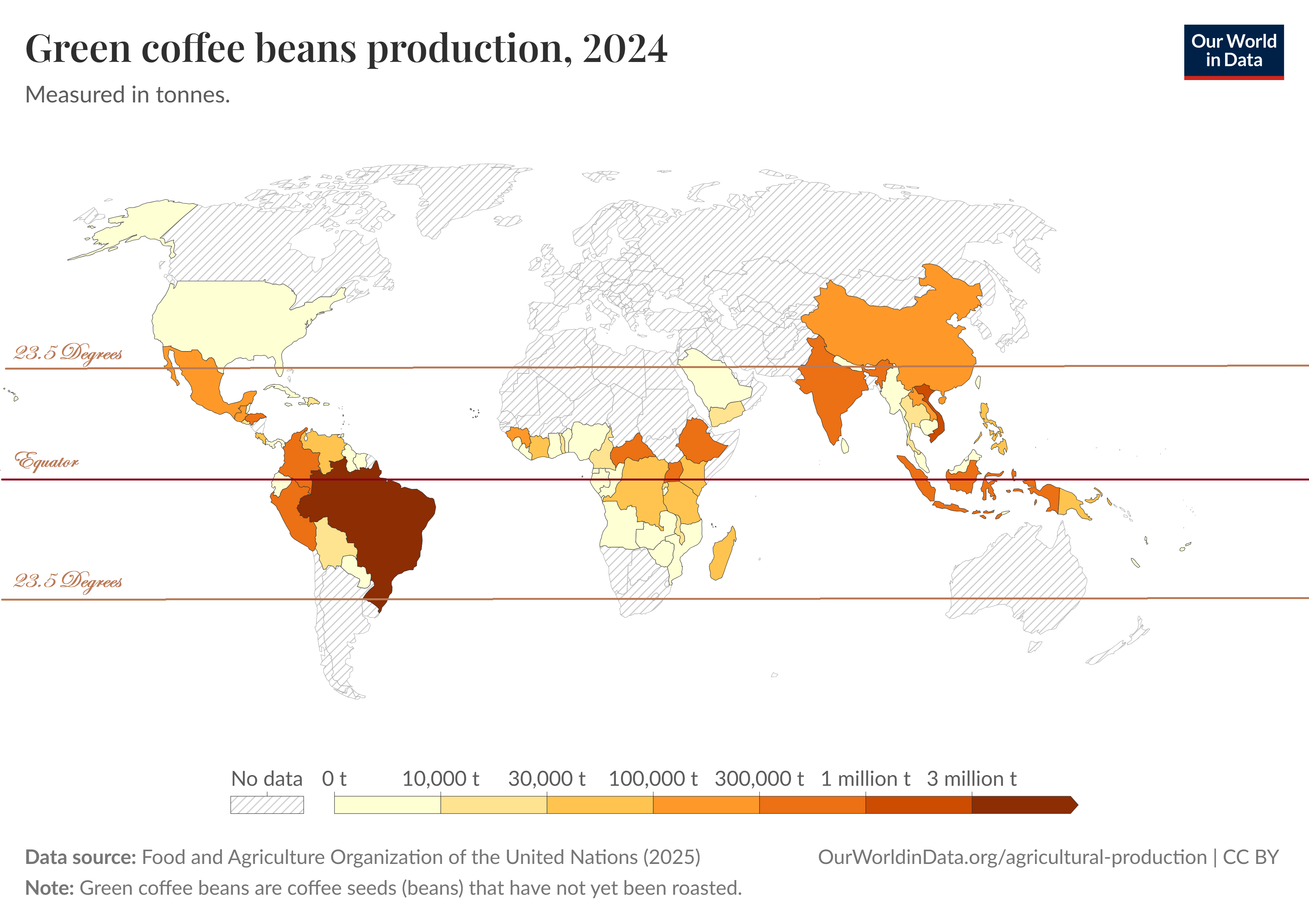
What is happening in the Coffee and Cocoa belt territories?
Since 2000, numerous scientific reports have measured the impacts of elevated temperatures, cyclical droughts, and climate change’s weird effects on coffee and cacao plantations. The International Center for Tropical Agriculture has indicated that if the global warming trend continues, 80 percent of the land in parts of Brazil and Central America where Arabica is grown will no longer be suitable by 2050. The same situation is going to impact the main cacao plantations in Africa, Indonesia, etc. Any person who lives in the coffee or cacao global belt (either in America, Africa, India, China or other parts of Asia), who has lived to my age or has outperformed 55 years old doesn´t need a science report to affirm consciously that our weather and climate variables measured in temperature and atmospheric phenomena as temperature, humidity, precipitation, air pressure, wind, and cloud coverage have been altered or are changing. The annual seasonal experience of today is different from what we experienced as children and teenagers. The thermic sensation of our hot summers has risen to anguishing desperation levels, regardless of whether our perception is recurring or permanent. Most of the inhabitants who live in the Cacao and Coffee global belt require ventilators or air-conditioning to survive the summer’s warmest days, a condition that was not compulsory a decade ago. If this “new climate status” affects humans, let´s prorate it to wild and domestic animals and plants. In one phrase: our climate context is shifting for everyone dwelling in the global coffee and cacao belt regions. And this is serious enough to begin to think about it as nations that need to be ready for the challenge.
The climate conditions are not in isolation for the cocoa and coffee belt regions.
Climate has always been an issue since prehistoric times. Natural phenomena have always been a challenge for humans and all living species. And all the regions are interconnected. If there is pollution in one area of the world, the planet reacts to it in other regions. This interconnection means a solid, compact planet Earth that can´t be analyzed separately. Our role as administrators of global resources is not only challenged to consider a new philosophy for all the stakeholders involved in the production of agricultural goods and services, but also as business owners who are required to conceive new business models (and supply value chains) that may safeguard our economic survival, while caring for the environment, crop land, the people, its nature, and wildlife conservation.
With this introduction, we open the door to the saga “Cacao and Coffee 101. Success Strategies for Small Farm Holders.”
Masterclass preparation. As usual, we always distribute our master-class preparation material for the students who are committed to reading and studying it over the weekend. Unprepared pupils can´t squeeze the function of our masterclass, unless they read in advance. And this is the reason we have arranged our publications in two stages: On Friday, we deliver the preparation material (slides). The students read it and complement it by reviewing the shared additional bibliography over the weekend. On Monday, we upload our strategic reflections that complete the learning experience. We encourage our readers to download, print, and use a pen or pencil to write notes next to the paper slides. That helps significantly because it provides a solid foundation for your memory development. Feel free to share the following slides with your friends, colleagues, professors, or supervisors. Bring the topic´s agenda and arguments to the conversation with them. Thank you.
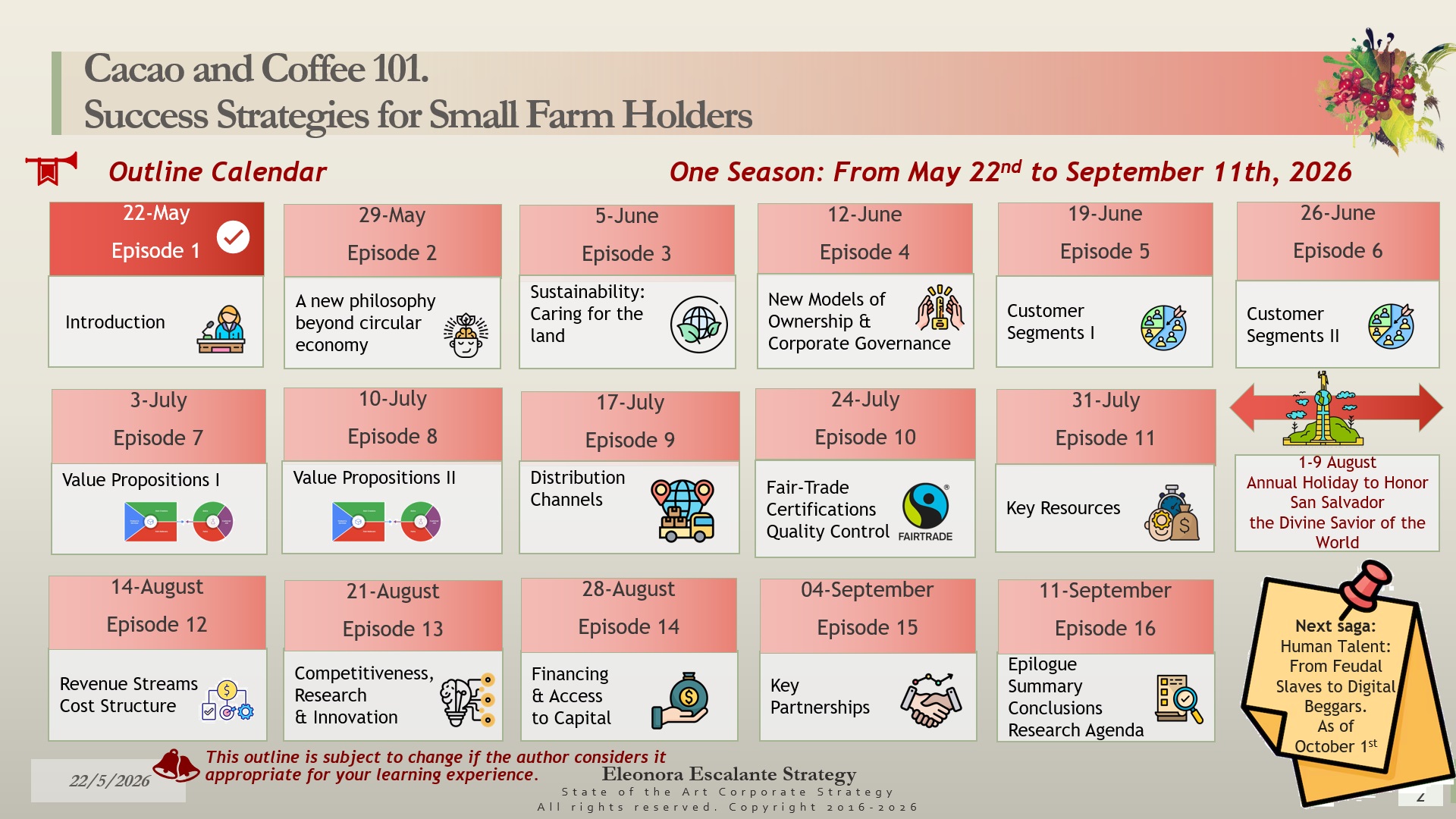
We kindly ask that you return next Monday, the 25th of May 2026, to review our strategic reflections on this chapter.
We encourage our readers to familiarize themselves with our Friday master class by reviewing the slides over the weekend. We expect you to create ideas that are or are not strategic reflections. Every Monday, we upload our strategic inferences below. These will be discussed in the next paragraph. Only then will you be able to compare your own reflections with our introspection. We always give our students a couple of days to prepare well before our final reflection.
Strategic reflections on this episode.
These will be in the section below on Monday, the 25th of May 2026.

What to communicate when we start a new chapter in our lives?
How to be a distinct corporate strategist after producing 5 seasons of “Central America: A Quest for the Progression of Economic Value”? How to provide adequate integral corporate strategy solutions after comprehending America´s history from 1492 to our days?
For us, it is a pacifist challenge. After my last historic saga, this epic is an ode to God-defying. It is an oxymoronic activity, seen from the positive side. We chose coffee and cacao because both crops are in desperate need of a new corporate strategy using the same old song. Philosophically, we can´t change anything if we do not go back to study the origin, the roots, or the foundations of the situation. And our goal is not to change what is good or what has been perfectly developed to this day, but to establish new guidelines in which small farmholders and planters (and their employees) can make a satisfactory living with it.
What comes to mind at the beginning of a new academic saga? How do we feel about this new activity, with this newfangled research, with this novel, innovative literary production that is facing us with a different road that has never been taken before?
For us, it is an oxymoron release.
This word is what we feel right now. “An oxymoron is a rhetorical figure in which incongruous antonyms or contradictory terms are combined” (1). It strikes like an old new-to-the-job challenge. It undergoes like a fresh hackneyed series of publications. It feels like an overused, unprecedented scenario for a playbook construction. It understands like a first-of-its-kind cliché about two historic plantations. But it also seems like a juicy, immaculate, archaic strategic mental map to test. This saga is an elevated effort from our strategy house to build the new, using the old. And we decided to use and mix two fundamental crops for humanity: chocolate and cacao in one whole. Both cultivations are different, and both can blossom together and apart. Both species demand exceptional requirements to thrive, depending on the land, type of soil, climate, how they catch the sun, farming stress, temperature, water, wind, varieties of the plants, collection process, process of mucilage removal, roasting, and grinding, marketing, and many other subtle relevant factors that both crops necessitate. If handled with love, cacao and coffee plantations can produce unique beans from one farm that can´t be compared to another one (because of the terroir*); even if both are harvested next to each other, apparently under similar conditions. And all these mixed factors are best known by each producer, not just technically, but also by heart and from experience. The beauty of the quality of coffee and cacao relies on choosing the right mix of all the latter factors, a “differentiation” mix that is ultimately chosen by the planter.
*Terroir: It is the total impact of a plantation site: soil, slope, orientation to the sun, elevation, aggregated water, organic allure, plus every micro-climate condition, such as rainfall, wind velocity, frequency of fog, average high and low temperatures, etc.
From the point of view of “farming cacao and coffee”, Eleonora Escalante Strategy is not an expert on growing plantations. My core background doesn´t come from there, but I live in a coffee agro-export economy, and over my life, I have had access to several people who breathe coffee and cacao production, at the artisanal and big-ticket levels, who not only adore their plantation-vocation with all their soul, but they also have been struggling to profit from it. During this saga, we will meet with a few of them to gather their testimony. Additionally, our goal is not to teach you how to grow coffee or cacao beans, or to offer a coffee bean or cocoa bean formula mix of success. We are corporate strategists, and we assume that you are the expert in your crop. That is unquestionable. Our goal is to show you a new strategic, commercial, and economic side, plus additional business model ideas that might be considered and tested by those small-farm holders already involved in the industry.
Great cocoa and coffee don´t come from just anywhere.
First things first. Every time that you drink your daily espresso or you munch on a piece of creamy croquant chocolate, it is mandatory that you take a conscious spirit of the product. Those goods are not popping on your palate like magic. Both crops represent a global supply chain that involves countries (including mine) in the tropical belt that we have shown you above. The beans (of coffee and cacao) are bought at a commodity international price X by importers positioned mainly in Europe and the USA. And from there, the beans are then transformed and ground into a toasted powder, a cup of a beverage, or a bar of chocolate that is retailed at a multiple of 10 X by other international corporations. The progression of economic value of these two delightful harvests has evolved to become one of the most sophisticated ones on earth. In consequence, do not underestimate that the best cacao and coffee beans don´t come from just anywhere. They are grown in specific nations that require help and attention for the long term, because it is indispensable that both industries and their respective territories can be kept, sustained, and improved for the sake of all the stakeholders involved.
At the Corporate Strategy level, our goal is to define a clear roadmap or path for the protection of the land that small farmers hold and work through their respective value chain. There are numerous people involved at the upstream (coffee pickers, gleaners, or farm laborers, for example) and at middlestream and the downstream (European importers, roasters, coffee shop owners, chocolate retailers, multinational corporations, bakeries, chocolatiers, etc.). Coffee and cacao products are not coming from just anywhere. Both crops are important globally. To be part of their industries is not a casualty either. Let´s not forget that Small-Farm holders and Big-Size Producers have been historically and tacitly condemned to become just the first part of the value chain (the input raw-material section). Historically, the importers of the beans are the commencement of the manufacturing (processing) section. And then other players are involved in the packaging, distribution, and retailers to play their own. Finally, the ultimate transformation occurs when the coffee or cacao ground powder is then reconverted into other by-products.
The sin of being a small-farm holder.
Small farmers have struggled to compete in this vast international value chain. In their quest to make a living from it, they end up selling the beans as raw material to others to trade or manufacture. The economic value at the input (upstream) of the value chain is minimal, barely covering the costs, depending on international pricing, and many times just to pay the working capital debt of the previous harvest. The bravest small-farm holders have been trying to survive by adding value to the beans, and some have started to build small coffee shops or introduce their final roasted coffee in local or regional supermarkets or through their website activities. It is in this context that there is a need to solve a problem that has never been cracked: how can all of them reach a middle-class income per year for their families? Please remember that we have defined the term Global Middle-Class as those families (of 4 to 5 members) who are able to get an income between $28,800/dollars per year to $175,200 dollars/year. These 2 numbers are after-income taxes and social security withholdings.
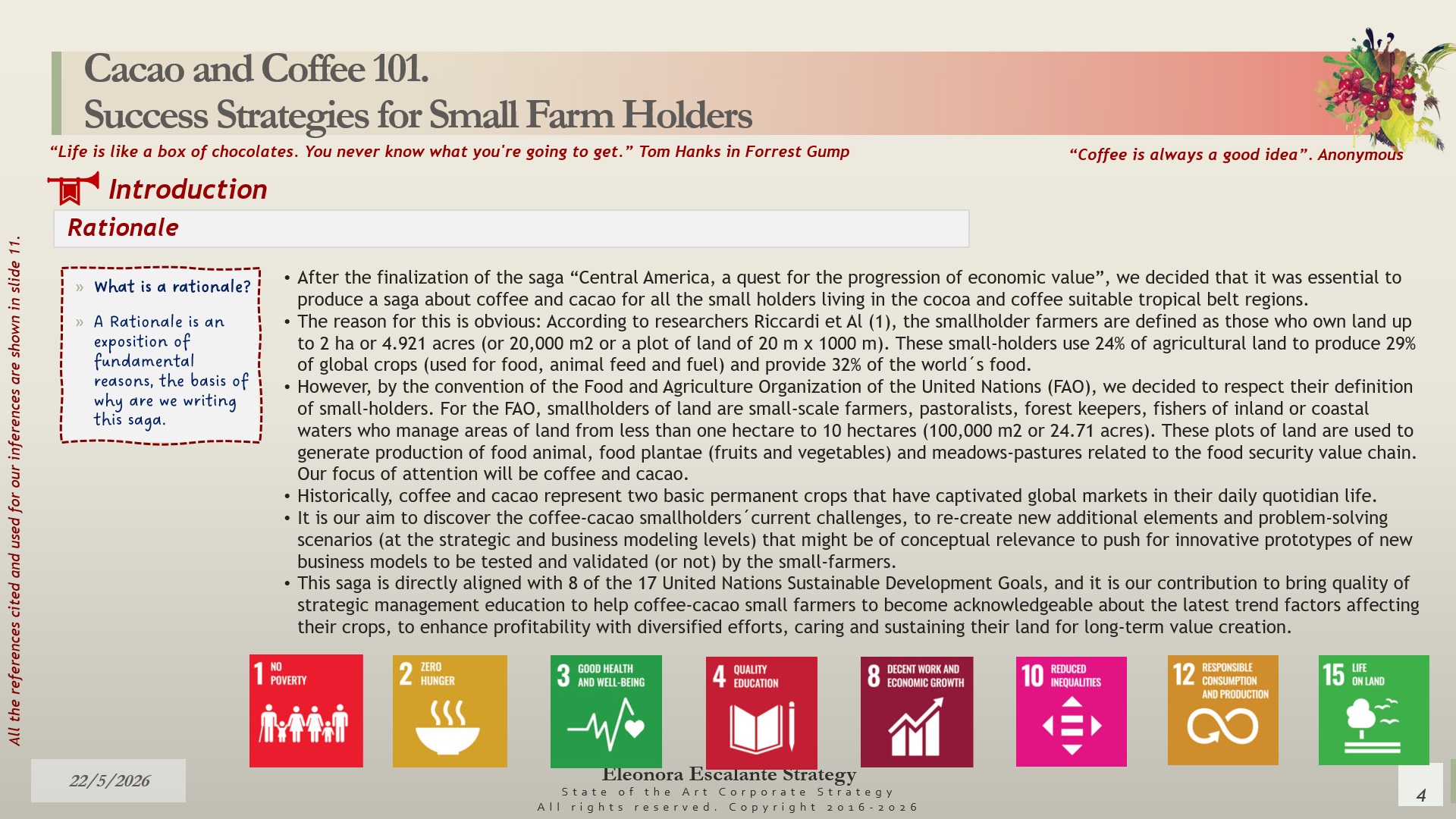
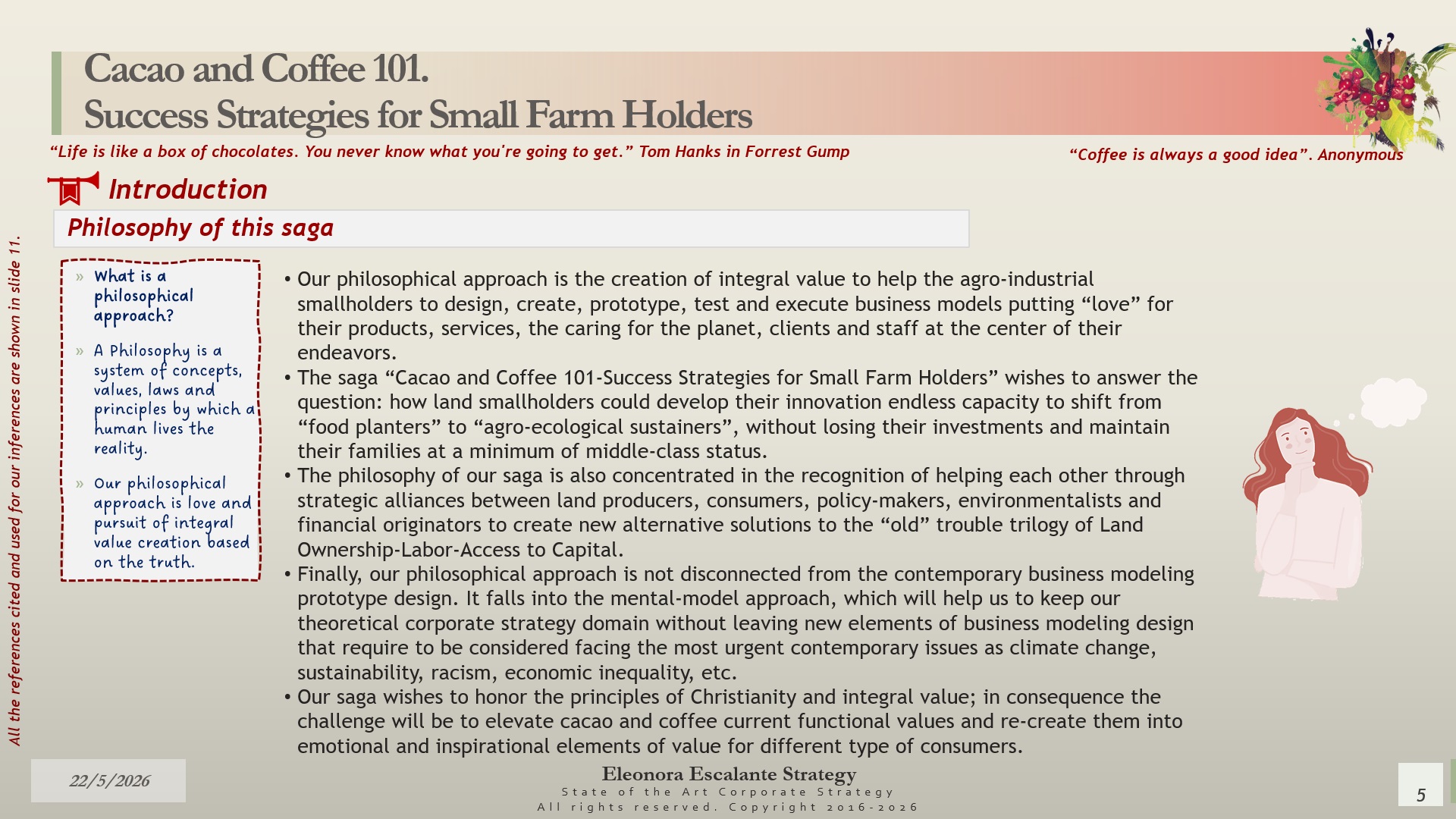
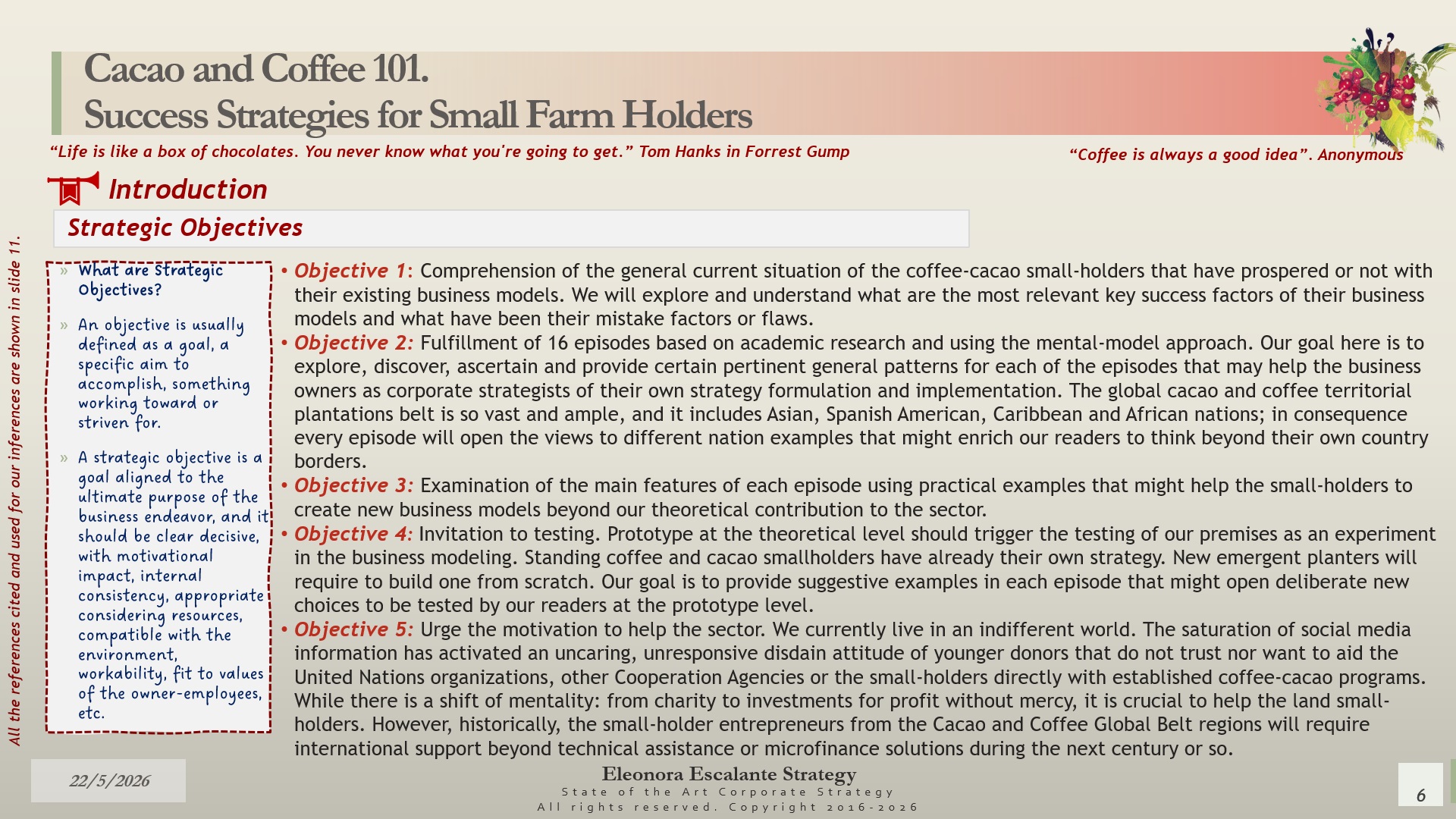
Rationale, Philosophy, and Objectives of this saga (slides 4 to 6).
These 3 slides are self-explanatory. We encourage you to read them again. We have defined each of these slides with special attention because we are producing academic content that doesn´t promote any political agenda. “Coffee and Cacao 101. Success Strategies for Small Farm Holders” is aligned with 8 of the 17 United Nations Sustainable Development Goals, and it is our humble contribution to help the coffee and cacao industries’ little farmers (demarcated as those below 10 hectares of land) that require our awareness.
We are non-partisan, and we are politically neutral.
We are committed to keeping ourselves out of any political flag as it has been defined in our principles and values. We do not receive any external funding to create our literary work. This is truly essential for our standing. By not being economically biased, we do not respond to sponsor policies, economic interests, or political appeals. We sustain our ideas based on our brain power, which has always come from God after our prayers. In abundance or in hardship, God has sustained me through all these tough years. Of course, we read and consider books, opinions, and academic works of other professors and practitioners, but our last word is always based on our mission, which is described here: https://eleonoraescalantestrategy.com/integral-life/.
We have persistently sown and continuously worked for 10 consecutive years with Eleonora Escalante Strategy. This year, we became an integral strategic tank. And we are convinced that all our sacrifices, grinding efforts, and heavy toil made with patience and love (we do not use Generative AI for our work), will be paid off with a financial provision miracle that we have not been able to foresee. Yet.
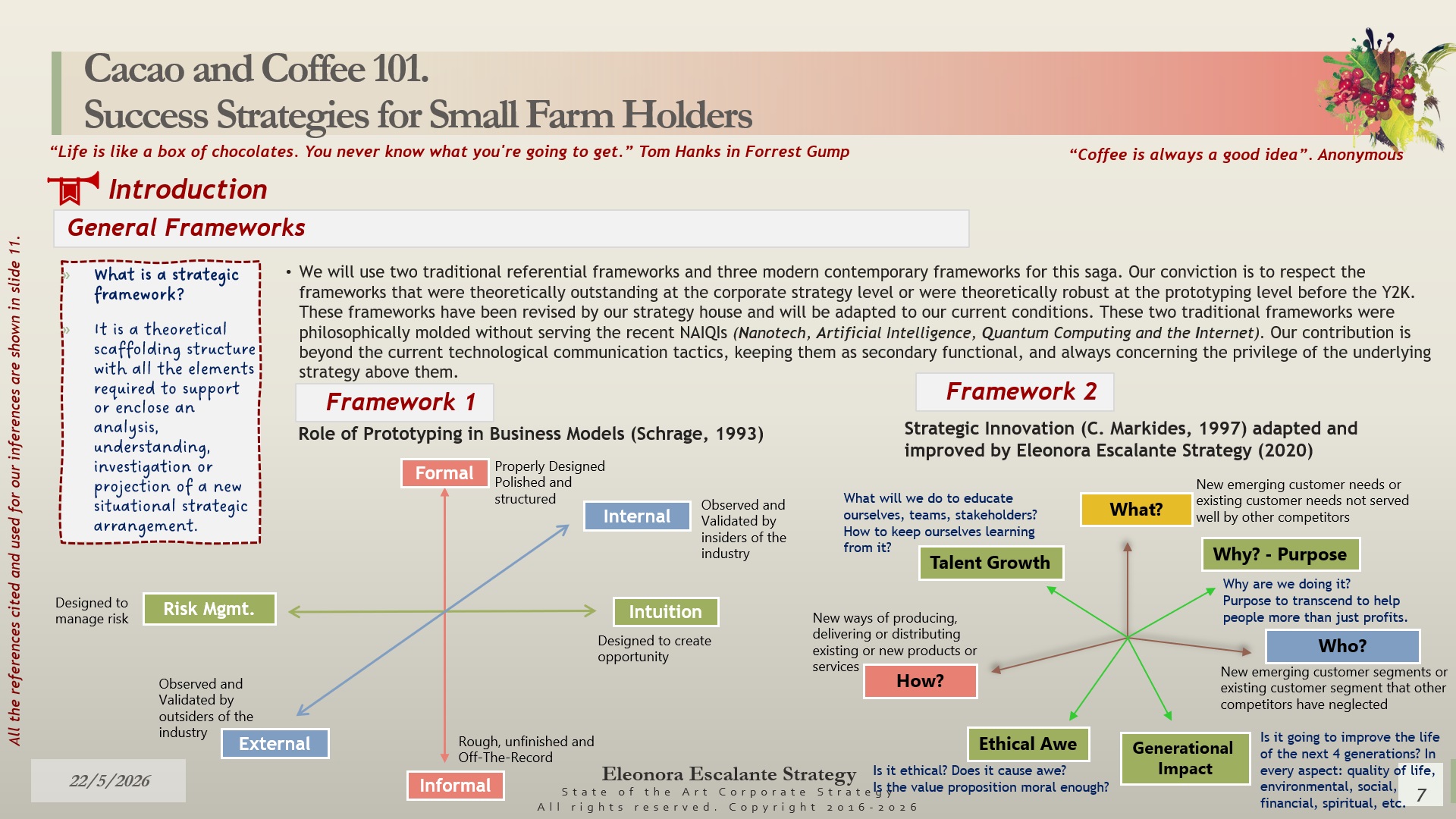
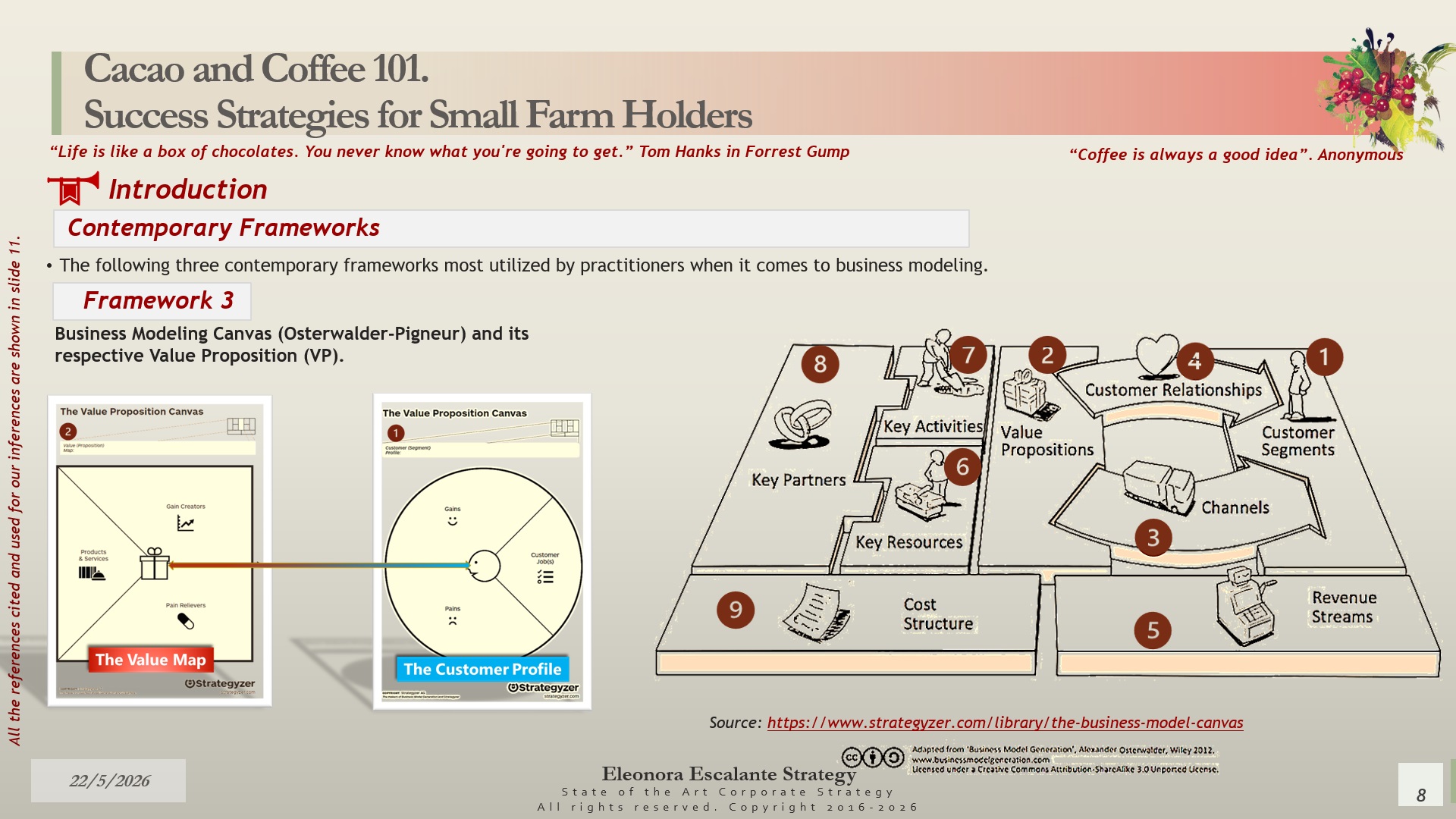
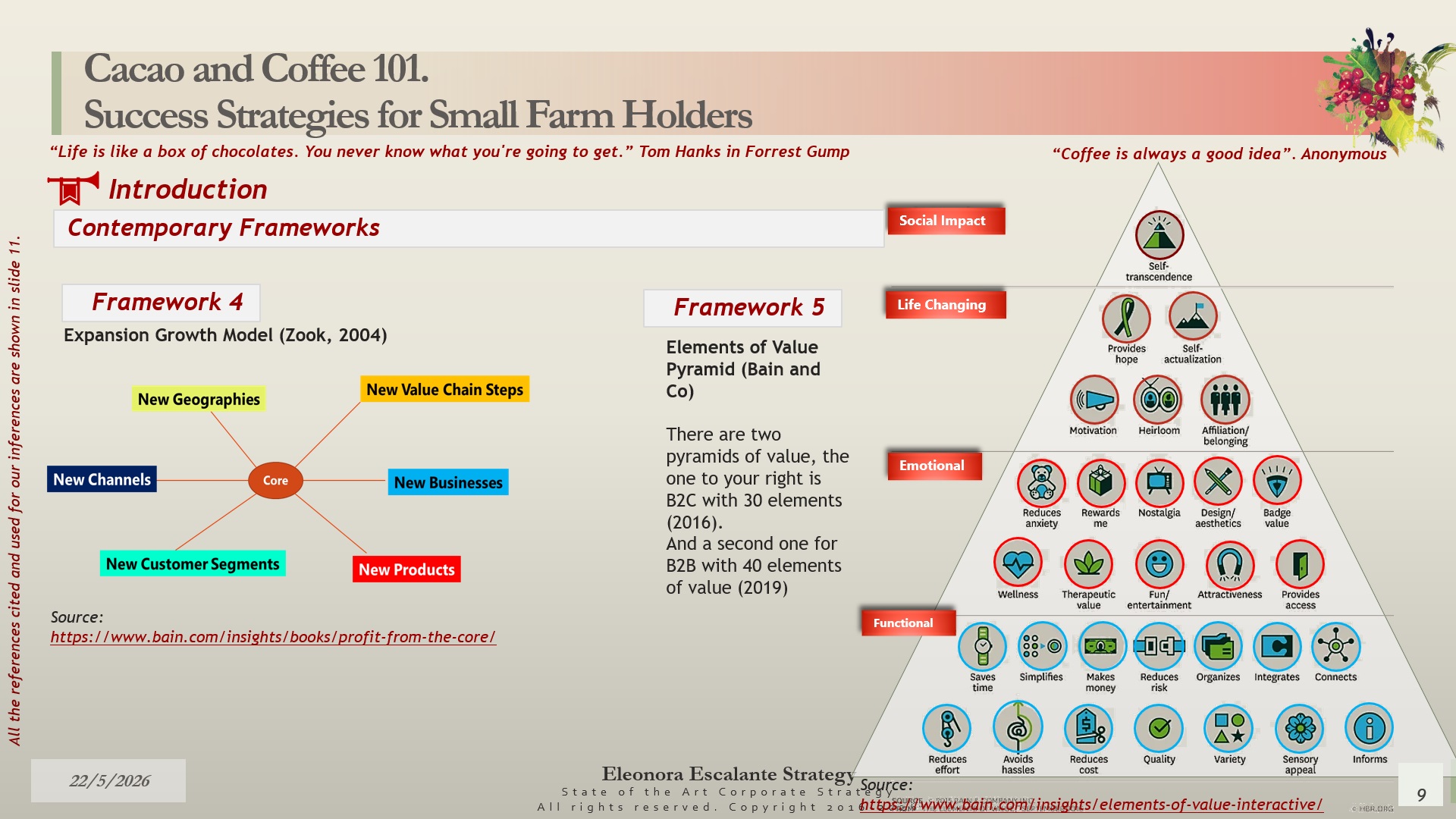
General Frameworks used in this saga. Slides 7 to 10.
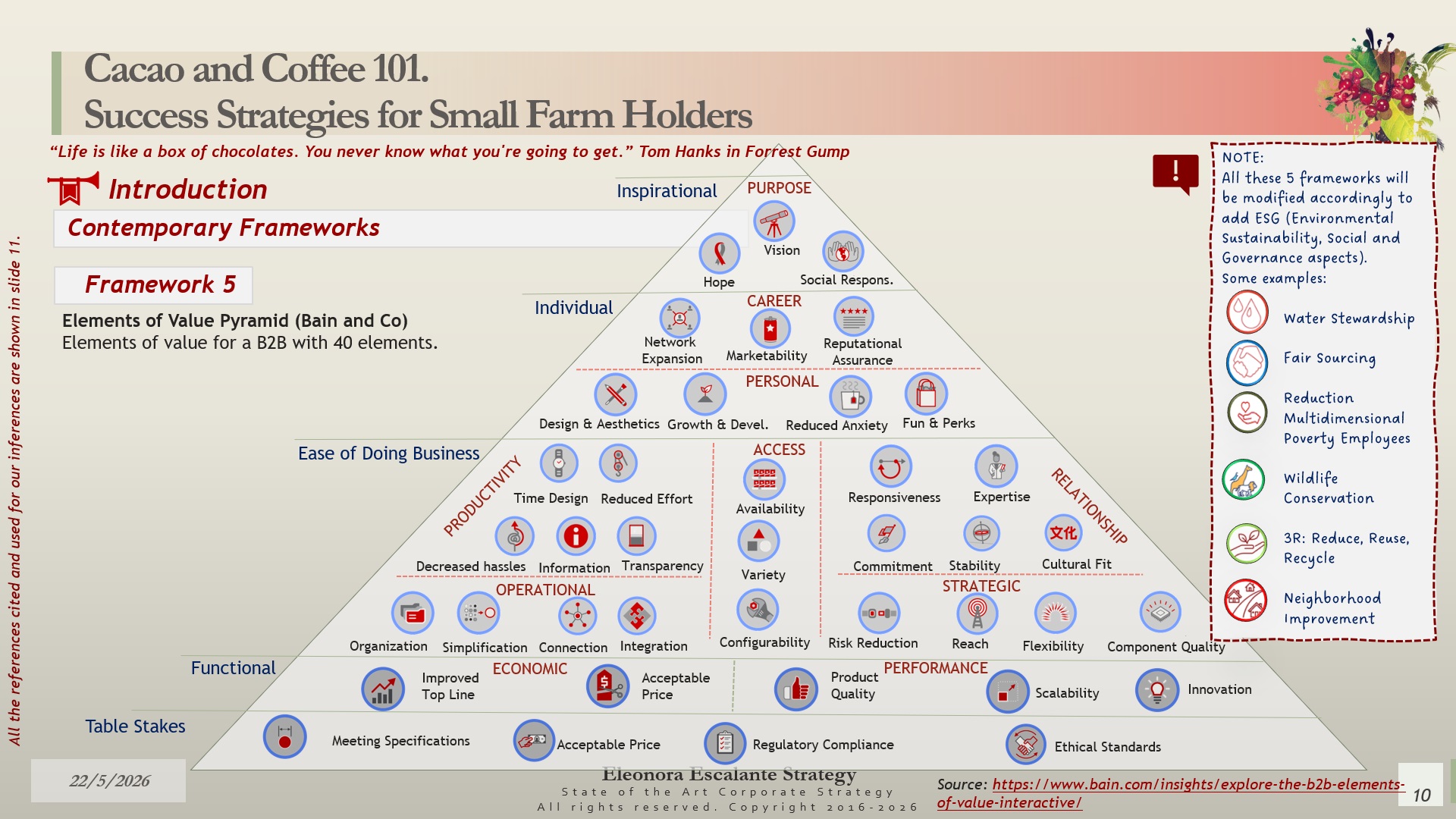
We will use 5 strategy frameworks during and for the completion of the saga. The first two are oldies. The role of prototyping in Business Models (by Schrage, 1993), and the Strategic Innovation Model (by Markides, 1997). The last three models are contemporary and are being used frequently by entrepreneurs and corporations: The business modeling canvas (Osterwalder-Pigneur, 2010), the expansion from the core growth model (Zook, 2004), and the two pyramids of elements of value (Bain & Co, 2016, 2019). We will modify, enhance, or slightly change these models if we consider it applicable and appropriate.
Closing words.
Welcome to the saga “Coffee and Cacao 101. Success Strategies for Small Farm Holders.” We are so inspired and joyful to develop this course. Personally, coffee and cocoa are my preferred emotional and musical notes of every day. Both delicious beverage foods and powerful antioxidant ingredients are part of my DNA identity. Beyond the blessing of my Salvadoran cradle in the tropical cacao-coffee belt, there is an exquisite, cherished feeling in my soul about writing from it. Anyone on earth who has sipped coffee or who has enjoyed a piece of melted chocolate can comprehend the importance of these two crops, their historical roots, and the splendor of the beans of coffee and cacao. We truly wish to put our brains in action by helping the Small Farm Holders of this territorial belt. We will try to do our best as corporate strategists. However, as a Central American Strategy house, we truly wish to instill in the young generation of the Cacao and Coffee Smallholders, the love and adoration for coffee and chocolate so much, but so much, so that they could consider devoting their life to caring for their production and land with a new integral approach.
Announcement. Our next episode is about the philosophy of planting and selling coffee and cacao beyond the circular economy.
Musical Section.
This saga is committed to raising the traditional musical instruments and their respective musicians over the digitally produced sounds.
This saga is dedicated to the chamber orchestras. The chamber orchestra character is coined in its smallness (generally grouping around 30 to 40 musicians), usually led by the violin concertmaster. Performers of chamber orchestras are most of the time the best in the world in each of their instruments. They show a high professionalism and a magnificent ability to play. They are humble masters of their melodious tools, usually ignored by the current powerful popular singers who opt to be accompanied by the background of artificial, supra-digitized tunes. Since the advent of artificial intelligence to create music, the virtuoso orchestra musicians are facing extreme economic difficulties, many of them asking for donations (as digital beggars) to survive on the bare minimum. This is not acceptable. The corporate strategists dedicated to the music industry are obliged to create musical business models that allow all these performers, the real players of instruments, to keep their lovely work sounding. Additionally, it is crucial to enhance the new nascent generation of genuine musicians who are committed to practice, study, and play their beloved instruments.
Most of the pieces played by chamber orchestras were philosophically composed under the flow of transparency, excellence of resonance, with the intention to invade the fullness of the performance room that hosted the ensembles. We invite you to discover the most recognized chamber orchestras on the planet. It will be a delightful journey to find and disclose them.
Today, for the inauguration of this saga, we have selected the Chamber Orchestra of Europe (https://coeurope.org/orchestra/about-us/). The piece performed is Haydn’s Symphony # 34 in D Minor. Joseph Haydn (1732-1809), Austrian, was one of the 4 great composers of the First Viennese School of Classical Music. Haydn repertoires are uniquely rich and beautiful. He was an autodidactic composer. And he was persistent, totally passionate about his work. Most of his compositions were produced in the Castle of Eisenstadt, under the patronage of the Esterhazy family, at the Austrian-Hungarian border. Haydn, Mozart, Beethoven, and Schubert were the big 4 titans of the Austrian classical music of their time (Beethoven was born in Germany, but he moved to Vienna).
Enjoy!
Thank you for reading http://www.eleonoraescalantestrategy.com. It is a privilege to learn. Blessings.

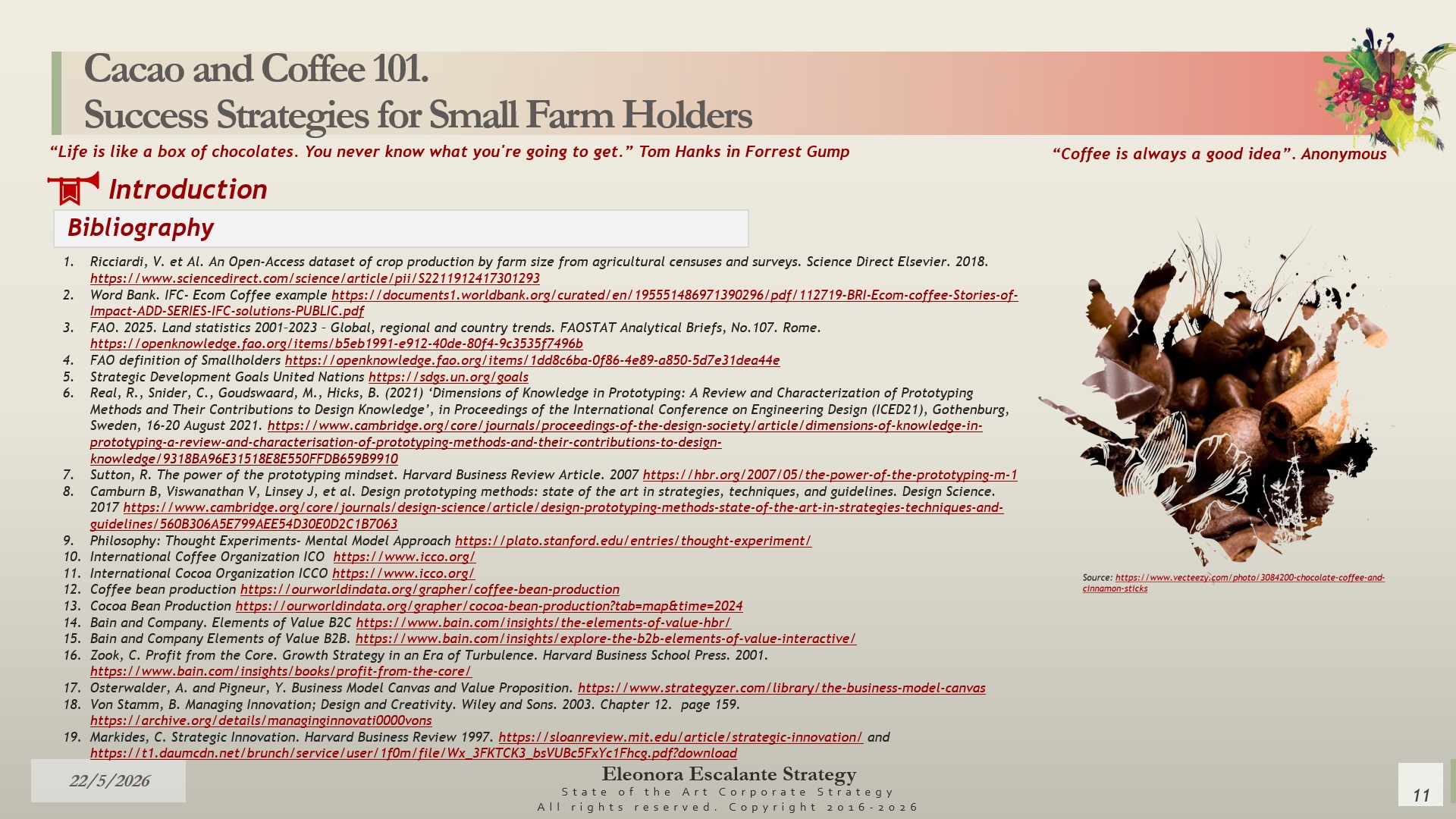
Sources of reference and Bibliography utilized for today´s inferences. The bibliography is listed on the last slide of the reference slides reading material. Click the respective URL to trace them.
(1) Definition of Oxymoron: https://www.ahdictionary.com/word/search.html?q=oxymoron
Disclaimer: Eleonora Escalante paints Illustrations in Watercolor. Other types of illustrations or videos (which are not mine) are used for educational purposes ONLY. All are used as Illustrative and non-commercial images. Utilized only informatively for the public good. Unless otherwise stated, I do not own any lovely photos or images.
 Eleonora Escalante Strategy Strategic Reflections Think Tank